A Growing Need for Qualified Early Childhood Teachers
The Expanding Early Education Sector
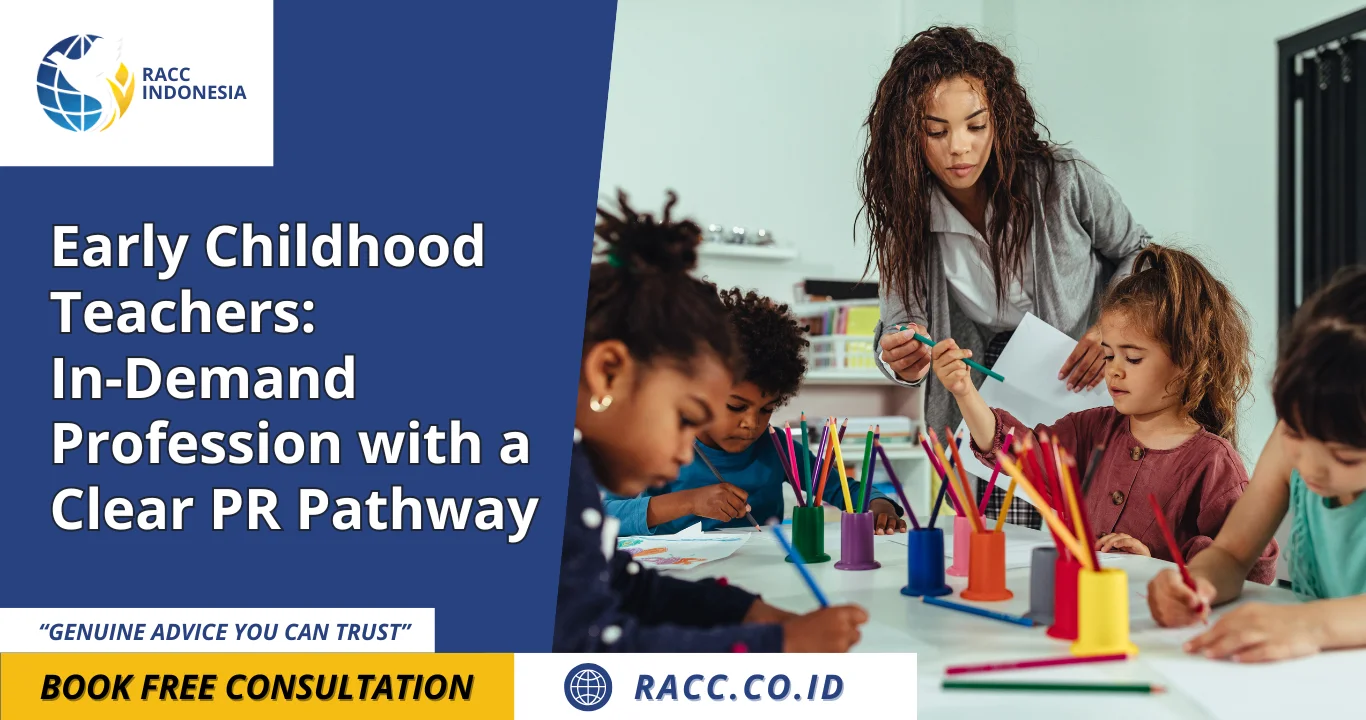
Australia’s early education and childcare sector has grown rapidly in recent years. With more families accessing early learning services and the government investing heavily in childcare reforms, the need for qualified Early Childhood Teachers (ECTs) continues to rise. This growth reflects a national commitment to ensuring every child receives a strong educational foundation from the earliest years.
National Skill Shortage and Job Growth
According to Jobs and Skills Australia (2024), Early Childhood Teaching is listed on the Medium and Long-Term Strategic Skills List (MLTSSL) – a clear indicator of its national importance. Employment in this field is projected to increase by over 21% between 2023 and 2028, making it one of the fastest-growing teaching-related professions in Australia.
The shortage is most severe in regional and outer-metropolitan areas, where early learning centres frequently report unfilled positions. These shortages have led to more opportunities for international educators and graduates to work, settle, and build careers in areas that offer stronger migration incentives.
Opportunities for International Graduates
To attract more teachers, the Australian Government continues to support skilled migration and regional study pathways through programs like the Skilled Work Regional Visa (Subclass 491) and Post-Study Work Visa (Subclass 485). These pathways make it possible for qualified international students, including those from Indonesia, to gain work experience while progressing toward Permanent Residency (PR).
For those passionate about early education and child development, becoming an Early Childhood Teacher in Australia is not only a professional opportunity but also a way to contribute to a meaningful field with lasting social impact.
Related reading:
Teaching and Education Degrees Pathway to Permanent Residency in Australia
Why Early Childhood Education Matters in Australia
A Critical Stage in Child Development
Early childhood education focuses on children aged 0 to 5, a period widely recognised as the most crucial stage of cognitive, emotional, and social development. Early Childhood Teachers (ECTs) play an essential role in shaping foundational skills such as communication, problem-solving, and emotional regulation. Australia’s education policy continues to emphasise the importance of quality early learning as a long-term investment in national development.
Government Reforms Increasing Demand for Teachers
Recent government reforms, including expanded childcare subsidies and new early learning centre frameworks, have significantly increased the number of children enrolling in early education programs. This policy shift has contributed to strong job growth, with Jobs and Skills Australia (2024) projecting a 21% increase in employment for ECTs from 2023 to 2028.
As more centres open and existing facilities expand across Australia, the demand for qualified teachers consistently outpaces supply. This is especially evident in regional and outer-metropolitan areas, where staffing shortages are most severe.
Diverse Career Settings and High Job Stability
Qualified Early Childhood Teachers can work in a wide range of settings across all states and territories, including:
- Preschools
- Kindergartens
- Long-day care centres
- Early learning centres
- Community-based early education programs
This sector offers strong job stability, opportunities for progression into leadership roles such as centre director or educational leader, and consistent demand across regional communities. The combination of ongoing reforms, workforce shortages, and long-term sector growth makes early childhood education one of the most reliable career choices in Australia.
Related reading:
Top High-Demand Jobs That Can Lead to PR in Australia
Australia Regional Migration Pathways
Study Pathways to Become an Early Childhood Teacher
Recommended Qualifications for Early Childhood Teachers
To become a qualified Early Childhood Teacher in Australia, students must complete an approved teaching program that meets national standards. Common pathways include:
- Bachelor of Early Childhood Education (typically 4 years)
- Bachelor of Education (Early Childhood and Primary)
- Graduate Diploma in Early Childhood Education
- Master of Teaching (Early Childhood)
These programs combine theory, child development studies, and practical placements at early learning centres or preschools. Graduates are then eligible to apply for teacher registration through the relevant state or territory authority.
Importance of Teacher Registration and AITSL Requirements
Early Childhood Teachers must meet the standards set by the Australian Institute for Teaching and School Leadership (AITSL). This includes:
- Completing a recognised teaching qualification
- Achieving English proficiency requirements (IELTS, PTE, or TOEFL)
- Completing supervised teaching placements
- Submitting documents for an AITSL skills assessment when applying for migration
AITSL assessment is a key requirement for skilled migration visas such as Subclass 189, 190, and 491.
Benefits of Studying in Regional Universities
Many universities offering Early Childhood Education programs are located in regional areas that provide additional advantages for international students, such as:
- Smaller communities and supportive learning environments
- Lower living costs
- Priority access to regional skilled migration pathways
- Additional 5 PR points for completing a qualification in a designated regional area
- Extended post-study work rights under the Post-Study Work Visa (Subclass 485)
Recommended regional universities include Charles Sturt University, University of New England, University of Tasmania, and regional campuses of Deakin University.
Related reading:
Study, Work, and PR in Australia: Step-by-Step Pathway
Australia Post-Study Work Visa (Subclass 485): A Pathway to Permanent Residency
Migration Pathways for Early Childhood Teachers
Skilled Migration Options for Early Childhood Teachers
Early Childhood Teachers are listed on the Medium and Long-Term Strategic Skills List (MLTSSL), which opens access to multiple skilled migration visas. Graduates or experienced teachers may be eligible for:
- Subclass 189 Skilled Independent Visa
- Subclass 190 State Nominated Visa
- Subclass 491 Skilled Work Regional (Provisional) Visa
These pathways allow qualified applicants to secure long-term residency based on their skills, education background, and migration points. States and territories consistently include Early Childhood Teachers on their priority lists due to ongoing shortages.
State Nomination and Regional PR Opportunities
Many Australian states prioritise Early Childhood Teachers when issuing invitations for skilled visas. Regional states such as New South Wales (regional areas), Tasmania, South Australia, and Queensland South Regional Zones often offer faster nomination due to persistent vacancies in early learning centres.
Studying or working in a regional area provides significant advantages, including:
- Additional migration points
- Higher nomination chances
- Expanded job opportunities in community-based centres
- Clearer transition pathway from regional visas to Permanent Residency
The Subclass 491 visa is particularly accessible, offering a five-year regional stay with a direct pathway to PR after meeting work and income requirements.
Employer Sponsorship Pathway for Early Childhood Teachers
Many early childhood centres, especially in regional towns, sponsor qualified teachers under:
- Subclass 482 Skills In Demand Visa
- Subclass 494 Skilled Employer Sponsored Regional Visa
Once the required period of employment is completed, applicants may transition to the Subclass 186 Employer Nomination Scheme, which grants Permanent Residency. This pathway is suitable for those who secure employment soon after graduation or for teachers with prior work experience.
Related reading:
State Nomination Explained – The Benefits of Subclass 190 Visa Australia
Subclass 491 Regional Provisional Visa as a PR Pathway
Career Outlook and Salary Expectations
Strong Employment Growth Across Australia
The demand for Early Childhood Teachers continues to rise nationwide. According to Jobs and Skills Australia (2024), employment in this sector is projected to grow by more than 21 percent between 2023 and 2028, making it one of the fastest-growing education professions. This growth is driven by increasing childcare enrolments, government reforms, and a national focus on early learning quality standards.
Salary Range and Working Conditions
Early Childhood Teachers benefit from competitive salaries and structured career progression. The average salary ranges from AUD 70,000 to 95,000 per year, depending on location, experience, and employer type. Regional workplaces often offer higher starting salaries, relocation incentives, and additional benefits to attract qualified teachers. Career pathways may include positions such as:
- Lead Educator
- Educational Leader
- Centre Coordinator
- Centre Director
- Early Childhood Consultant
Many centres also support ongoing professional development and leadership training for long-term career advancement.
Career Stability and Long-Term Opportunities
Early childhood education offers one of the most stable employment environments in Australia due to continuous demand from both the public and private sectors. Teachers can work in preschools, kindergartens, long-day childcare centres, and early learning programs across all states and territories.
With workforce shortages persisting in both metropolitan and regional areas, graduates entering the sector can expect consistent job opportunities and strong employer support. Combined with clear migration pathways, Early Childhood Teaching remains one of the most promising long-term careers for international graduates.
Related reading:
The Easiest PR Pathways in Australia – 2025 Update
How RACC Indonesia Can Help You Start Your Pathway
Free Consultation for Study and Migration Planning
Starting a pathway to become an Early Childhood Teacher in Australia requires careful planning, from choosing the right university program to understanding visa and migration requirements. RACC Indonesia provides free consultation services to help students and professionals map out the most effective study and PR strategy based on their background, goals, and eligibility.
Support for Course Selection and Visa Applications
RACC assists clients in selecting approved Early Childhood Education programs offered by reputable universities and regional institutions. The team guides applicants through every step of the student visa process, including:
- Preparing Genuine Student (GS) statements
- Submitting university applications and securing Confirmation of Enrolment (CoE)
- Ensuring all required documents meet immigration standards
- Advising on English test requirements and academic prerequisites
This support helps students avoid common mistakes and increases the likelihood of a successful visa outcome.
Assistance for Skills Assessment and PR Pathways
For graduates and working teachers, RACC Indonesia provides guidance on the AITSL skills assessment, a critical requirement for skilled migration visas such as Subclass 189, 190, and 491. The team also offers advice on state nomination programs, migration points calculation, and regional opportunities that strengthen PR eligibility.
RACC supports clients who aim to transition from study to full-time employment, including those exploring regional job opportunities or employer sponsorship under Subclass 482 or 494. Many RACC clients have successfully progressed from Early Childhood Education programs to long-term careers and PR pathways in Australia.
To begin your journey toward becoming an Early Childhood Teacher in Australia, contact the RACC Indonesia for a free consultation.
Related reading:
How to Find an Employer Who Can Sponsor You in Australia