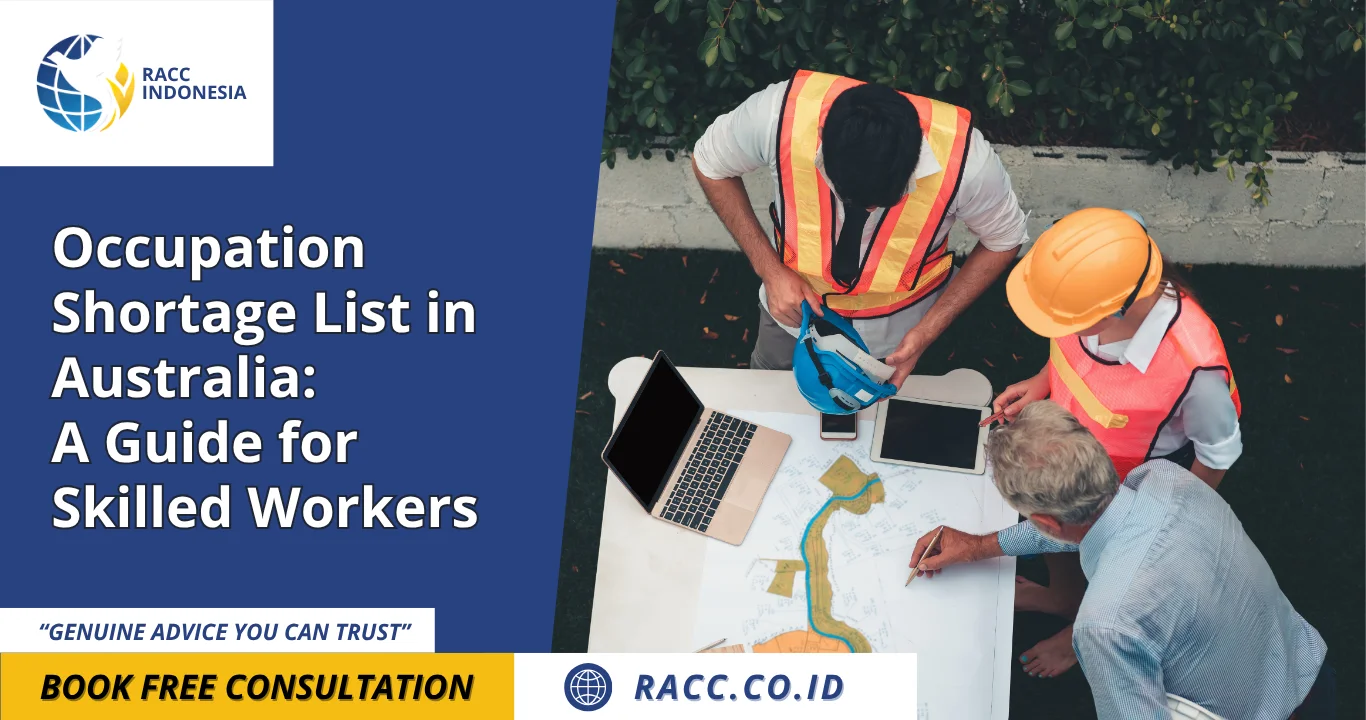
Australia’s economy is driven by a wide range of industries, and as the demand for skilled professionals continues to grow, the country has developed an Occupation Shortage List to address workforce gaps. This list, also known as the Skilled Occupation List (SOL), outlines the occupations that are in high demand across various sectors. If you are considering migrating to Australia for work, understanding this list can help you identify whether your skills are in demand and which visa options are available for you.
What is the Occupation Shortage List?
The Occupation Shortage List is a compilation of professions that are experiencing a skills shortage in Australia. It serves as a guide for the Australian government to streamline immigration and visa policies by prioritizing applicants with the necessary skills and qualifications. This list is regularly updated to reflect the current needs of the labor market.
Key Occupation Lists in Australia
Australia’s migration system incorporates several occupation lists, each catering to different types of skilled visas. The three primary lists are:
- Medium and Long-term Strategic Skills List (MLTSSL)
This list includes occupations that are in high demand across the country, and skilled workers in these professions may be eligible for long-term visas, including permanent residency options. Professions such as engineers, healthcare workers, IT professionals, and tradespeople are often found on this list. - Short-term Skilled Occupation List (STSOL)
The STSOL focuses on occupations that have a temporary shortage in specific regions or sectors. While it primarily offers short-term visa pathways, some of these positions can also lead to permanent residency with time. - Regional Occupation List (ROL)
Australia encourages migration to regional areas where certain occupations are in higher demand. The ROL is specifically for skilled workers willing to work and live in regional or remote areas. This list offers pathways to both temporary and permanent visas.
Occupations in Demand
The Occupation Shortage List covers a wide range of industries. Here are a few key sectors that currently have significant shortages:
1. Healthcare and Medical Professionals
Australia’s healthcare system is experiencing a critical shortage of professionals, particularly in nursing, general practice, and aged care. The demand for registered nurses, medical practitioners, and allied health workers such as physiotherapists and occupational therapists is high, especially in regional areas.
- Registered Nurses
- General Practitioners
- Aged Care Workers
- Psychologists
- Pharmacists
2. Engineering and Construction
Infrastructure projects and urban development have led to increased demand for engineers and construction workers. Positions in civil engineering, electrical engineering, and construction project management are often featured on the lists.
- Civil Engineers
- Electrical Engineers
- Quantity Surveyors
- Construction Project Managers
3. Information Technology (IT)
The digital economy is growing rapidly in Australia, and the demand for IT professionals is surging. Occupations such as software developers, cybersecurity specialists, and network engineers are in high demand.
- Software Developers
- Network Engineers
- IT Business Analysts
- Cybersecurity Experts
4. Trade Occupations
Skilled tradespeople are essential to Australia’s growing industries. Jobs in electrical work, plumbing, carpentry, and mechanics are highly sought after, particularly in regional and remote areas.
- Electricians
- Plumbers
- Carpenters
- Automotive Mechanics
5. Education
Australia’s education sector also faces shortages, especially for early childhood educators and secondary school teachers, particularly in math, science, and technology subjects.
- Early Childhood Teachers
- Secondary School Teachers (Math, Science, Technology)
Visa Pathways for Skilled Workers
Australia offers several visa options for individuals whose occupations are on the shortage list:
- Skilled Independent Visa (Subclass 189)
This is a points-tested visa for workers whose occupations are on the MLTSSL. It allows you to live and work in Australia permanently, without the need for employer sponsorship. - Skilled Nominated Visa (Subclass 190)
This visa requires a nomination from a state or territory government. It offers permanent residency to skilled workers whose occupations are on either the MLTSSL or STSOL. - Skilled Work Regional (Provisional) Visa (Subclass 491)
This visa is for individuals willing to live and work in regional Australia. It offers a pathway to permanent residency through the ROL. - Employer-Sponsored Visas
If you have a job offer from an Australian employer, you may be eligible for an employer-sponsored visa, such as the Temporary Skill Shortage (TSS) visa or the Employer Nomination Scheme (ENS) visa.
How to Check If Your Occupation is on the List
To find out if your occupation is currently in demand, you can visit this link for pdf file that we compiled from the information at Australia Immigration website. This tool will allow you to filter by occupation and find out which visas are available for your profession.
Conclusion
Australia’s Occupation Shortage List provides a valuable opportunity for skilled professionals from around the world to contribute to the country’s workforce. If your profession is listed, you may be eligible for one of Australia’s skilled visa programs, allowing you to work and live in Australia either temporarily or permanently. With a variety of sectors needing qualified workers, Australia continues to be an attractive destination for skilled migration.
If you’re considering moving to Australia, exploring your visa options based on the Occupation Shortage List is a critical first step towards achieving your goal.