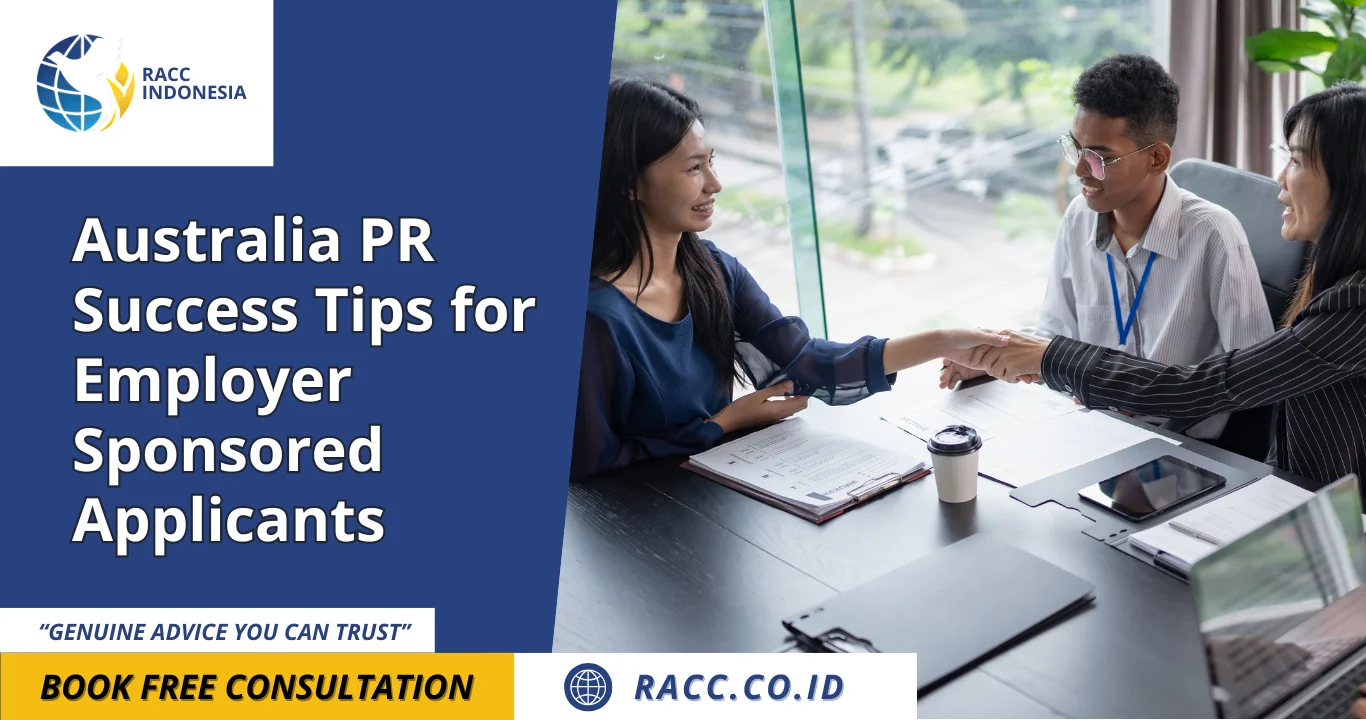
Turning Employer Sponsorship into Permanent Residency
Getting an Australian employer to sponsor your visa is already a big achievement, but for many skilled workers, the ultimate goal is obtaining Permanent Residency (PR). While sponsorship helps you live and work in Australia temporarily, transitioning to PR means gaining long-term stability, full work rights, and access to more opportunities in the country.
However, not every sponsored worker successfully reaches PR. Many applicants miss out due to overlooked requirements, poor planning, or lack of communication with their employers. This article focuses on practical success tips for workers who are already on, or preparing for, an Employer-Sponsored Visa pathway, helping you understand what it really takes to secure your PR smoothly and confidently.
Understand Your PR Pathway Early
Before you start preparing for PR, it’s essential to understand which visa stream applies to your situation. Each pathway under the Employer-Sponsored Visa program has different requirements and timelines, and knowing them early will help you plan your journey strategically.
The two most common employer-sponsored PR options are:
a. Subclass 186 – Employer Nomination Scheme (ENS)
This visa allows skilled workers to live and work permanently in Australia after being nominated by an approved employer. There are two main streams under this visa:
- Temporary Residence Transition (TRT) Stream: For applicants who have worked full-time for their sponsoring employer on a Subclass 482 (Temporary Skill Shortage) visa for at least two to three years, depending on the latest migration policy.
- Direct Entry Stream: For applicants who are nominated directly by their employer without having previously held a 482 visa, as long as they meet skill assessment and experience requirements.
b. Subclass 187 – Regional Sponsored Migration Scheme (RSMS)
Although this visa is now mostly replaced by the Subclass 494 Regional Employer Sponsored Visa, it’s still relevant for applicants sponsored in regional areas under transitional arrangements. The benefit of this route is faster PR eligibility and lower competition, as regional employers are often in greater need of skilled workers.
Understanding which stream you fall under determines what documents you need, how long you must work for your employer, and when you can apply for PR. Early awareness helps prevent mistakes, missed timelines, or ineligible applications later on.
Maintain Visa Compliance and Good Employment Record
One of the most crucial, yet often underestimated, factors for PR success is visa compliance. The Department of Home Affairs carefully reviews your work history, visa conditions, and employment documentation before approving any PR application. Even small inconsistencies can raise red flags and delay or even jeopardize your nomination.
To build a strong PR case, keep these best practices in mind:
Follow All Visa Conditions
- Work only for your sponsoring employer (unless officially transferred or approved).
- Stay within your approved occupation as listed in your visa grant letter.
- Maintain full-time work hours consistent with your sponsorship terms.
- Ensure your salary and role match the market rate and the details in your nomination application.
Keep Complete and Organized Documentation
Your paperwork is your strongest proof of genuine employment. Always keep copies of:
- Employment contracts and job descriptions
- Payslips, tax summaries, and superannuation statements
- Timesheets or attendance records
- Communication or letters from your employer confirming your role and performance
Avoid Unnecessary Job Changes
Frequent job switches or early resignation before completing your sponsorship period can disqualify you from certain PR streams (like the 186 TRT). If you’re considering a change, consult your migration agent first to understand the impact on your eligibility.
Maintaining a clean and consistent record shows the Department that you’ve complied fully with your visa conditions and that your employment relationship is genuine, a vital foundation for your PR success.
Strengthen Your Relationship with the Employer
Your employer’s support is at the heart of your PR application. Since the Employer Nomination Scheme (ENS) requires your company to officially nominate you, having a strong, positive relationship with your employer can make all the difference between success and setback.
Many PR applications stall not because the employee is unqualified, but because the employer is hesitant or unprepared to proceed with sponsorship. Building mutual trust and demonstrating your long-term value early on will increase the likelihood that your employer supports your PR journey wholeheartedly.
Show Consistent Performance and Reliability
- Deliver quality work and meet expectations consistently.
- Be proactive, take ownership of projects, suggest improvements, and help your team succeed.
- Develop a reputation as a dependable team member who contributes beyond basic duties.
Communicate Openly About Your PR Goals
- Discuss your career and residency goals with your employer or HR department early.
- Express your intention to grow within the company long-term, not just to “get a visa.”
- Understand the company’s requirements and timeline for PR nomination, so both parties can plan ahead.
Add Value to the Business
- Upskill in areas that are relevant to the business, leadership, management, or technical expertise.
- Offer to train new staff, lead small projects, or support business goals outside your core role.
- The more valuable you are to your employer, the easier it is for them to justify sponsoring your PR nomination.
Be Loyal and Professional
Employers invest time, money, and effort in sponsorship. By showing professionalism, gratitude, and long-term commitment, you build credibility and goodwill, key ingredients for a smooth nomination process when the time comes.
A strong employer relationship isn’t built overnight. It’s the result of consistent performance, open communication, and mutual trust, all of which form the backbone of a successful employer-sponsored PR application.
Prepare Your Skills and Credentials
Even with employer support, your PR application will not be approved unless you personally meet all the skills, qualification, and English language requirements set by the Department of Home Affairs. Preparing these early, well before you are eligible to apply, ensures a smooth transition when your employer is ready to nominate you.
Get Your Skills Assessment Ready
- Most occupations under the Employer Nomination Scheme (Subclass 186) require a valid skills assessment from an approved assessing authority.
- Each occupation has its own body (for example, Engineers Australia, VETASSESS, ANMAC for nurses).
- Start the assessment process early, as it can take several weeks or months to complete.
Meet the English Language Requirements
- For most applicants, a minimum IELTS score of 6.0 (each band) or equivalent in PTE/TOEFL is required.
- Some occupations or visa streams may require higher scores, so it’s wise to exceed the minimum.
- Keep your English test results valid and up to date (they are typically valid for three years).
Ensure Your Qualifications Are Recognized
- If your qualification is from outside Australia, confirm that it’s recognized and comparable to the Australian standard.
- In some cases, additional study or bridging courses may be needed to meet requirements.
Maintain Up-to-Date Work Experience Records
- Keep employment reference letters, position descriptions, and evidence of work duties aligned with your ANZSCO occupation code.
- Make sure all documents (contracts, payslips, tax records) consistently reflect your role, salary, and work history.
Stay Professionally Active
- Continue developing your professional profile by attending training, workshops, or obtaining industry certifications.
- The Department favors applicants who show a commitment to their career growth and contribution to Australia’s workforce.
By proactively preparing your credentials, you demonstrate readiness and credibility, two qualities that increase both your employer’s confidence and the Department’s trust in your PR application.
Manage Your Timeline Strategically
Timing plays a critical role in your PR success. Many employer-sponsored applicants miss their ideal window to apply because they don’t plan ahead or misunderstand the timeline requirements under their visa stream. A well-structured timeline ensures you remain eligible and avoid unnecessary stress as your temporary visa nears expiry.
Know When You Become Eligible
If you’re on a Subclass 482 (Temporary Skill Shortage) visa under the Temporary Residence Transition (TRT) stream, you typically need to:
- Work continuously for your sponsoring employer for at least 2 to 3 years (depending on the policy at the time of application).
- Hold the same occupation that your visa was granted for.
- Maintain full-time employment during this period.
For those under the Direct Entry stream, eligibility depends on having a valid skills assessment and sufficient work experience, rather than time spent with the same employer.
Plan Ahead for Visa Expiry
Always keep an eye on the expiration date of your current visa. Begin preparing your PR documents 6–12 months before you become eligible. This gives you and your employer time to:
- Gather all necessary documentation
- Complete medicals and police clearances
- Renew English tests or skills assessments if expired
Leaving preparation too late can cause unnecessary pressure, especially if your temporary visa is close to expiring.
Coordinate with Your Employer’s Readiness
Employers also need time to prepare for the nomination stage, which includes submitting company financial documents, salary evidence, and business justification for your role. By keeping open communication, you can synchronize your readiness with theirs to avoid any delays.
Avoid Gaps or Employment Breaks
If you take extended leave, change employers, or switch roles, it may disrupt your eligibility timeline under the TRT stream. Always consult your migration advisor before making significant employment changes.
Set a PR Roadmap
A simple roadmap helps you stay on track:
- Year 1–2: Establish solid performance and compliance
- Year 2–3: Prepare documents, take English tests, gather references
- End of Year 3: Lodge PR nomination and visa application
Strategic timing not only simplifies your process but also minimizes the risk of visa lapses and policy-related setbacks.
Keep Up with Immigration Policy Updates
Australia’s migration landscape changes regularly — from occupation lists to eligibility rules and salary thresholds. These updates can directly affect your chances of getting PR through the employer-sponsored pathway. Staying informed ensures you can adapt your plans early, instead of being caught off guard by new regulations.
Monitor Official Announcements
The Department of Home Affairs (DHA) frequently updates visa rules, especially for Subclass 482, 186, and 494 visas.
Visit: homeaffairs.gov.au regularly to check for changes in:
- Eligible occupation lists
- English language requirements
- Work experience or skill assessment criteria
- Transition period rules (for example, recent changes that reduced the 482-to-186 eligibility from 3 years to 2 years)
Be Aware of Salary and Market Threshold Changes
The Temporary Skilled Migration Income Threshold (TSMIT), the minimum salary your employer must pay, is reviewed and often increased each year.
If your salary falls below this threshold, your nomination could be rejected. Make sure your pay remains consistent with the current TSMIT and industry standards.
Watch for Regional Migration Updates
If you’re working in a regional area, keep track of incentives and programs under the Subclass 494 or state/territory migration plans.
Regional policies often evolve to attract skilled workers, sometimes offering faster PR eligibility or lower English/experience thresholds.
Follow Reliable News Sources or Registered Migration Agents
Migration agents, like us RACC Indonesia, constantly monitor policy shifts and interpret how they affect international workers. Regularly consulting an expert helps you:
- Adjust your PR plan based on current rules
- Avoid misinformation from online forums or unofficial sources
- Take advantage of new migration opportunities early
Anticipate and Adapt
When you’re informed, you can act quickly, for example, submitting your PR application before new rules take effect or adjusting your occupation focus if the list changes.
In migration, timing and information are power, staying up-to-date can literally make or break your PR success.
Seek Professional Guidance
Navigating the employer-sponsored PR process can be complex, especially with frequent regulation updates, documentation requirements, and the involvement of both employer and employee. Seeking professional migration guidance isn’t just about convenience; it’s a strategic decision that can significantly improve your chances of success.
Why Professional Advice Matters
Migration policies are detailed and ever-changing. A single missing document or an incorrectly stated job title can delay or even cause a visa refusal. Registered migration agents are trained to:
- Interpret current laws and migration updates accurately
- Assess your eligibility and identify gaps early
- Prepare and review your nomination and visa application to ensure compliance
- Communicate directly with the Department of Home Affairs on your behalf
By working with a trusted professional, you can minimize errors, avoid costly delays, and stay informed about every step of the process.
How RACC Indonesia Can Help
At RACC Indonesia, we specialize in guiding students and skilled workers through every stage of their Australian journey, from study and temporary work visas to employer sponsorship and PR pathways.
Our team works with Registered Migration Agents (MARN) in Australia, ensuring that every case is handled according to the latest migration regulations.
We help you:
- Understand your PR eligibility under Subclass 186, 187, or 494
- Prepare necessary documents and skills assessments
- Coordinate effectively with your employer for nomination
- Create a personalized PR timeline to match your career goals
Avoid DIY Risks
While many try to handle PR applications themselves, it’s easy to miss technical details such as employer compliance requirements, TSMIT levels, or stream-specific conditions. Even if your case seems straightforward, professional review provides peace of mind, and often saves time and money in the long run.
In short, seeking expert guidance ensures that your effort, time, and investment toward Australian PR don’t go to waste. It’s not just about getting help it’s about doing it right the first time.
Conclusion: Consistency and Preparation Are Key
Securing Australian Permanent Residency through the employer-sponsored pathway is more than just completing paperwork, it’s a long-term commitment built on performance, compliance, and preparation. Every stage matters: from maintaining your work records and nurturing a strong employer relationship, to staying updated with policy changes and preparing your credentials ahead of time.
Remember, success in the Employer Nomination Scheme (ENS) or other employer-sponsored PR pathways doesn’t happen by chance. It comes from understanding the process early, staying organized, and working closely with both your employer and a trusted migration advisor.
If you’re currently working under a 482 or 494 visa, start planning your PR roadmap today. Review your eligibility, gather your documents, and communicate your goals clearly with your employer. The earlier you prepare, the smoother your transition to PR will be.
At RACC Indonesia, we’ve guided hundreds of skilled workers from study visas to successful PR outcomes, helping them make Australia not just a workplace, but a permanent home.
Your journey to PR starts with a plan, and that plan starts now.