Overview of the New MoRLA
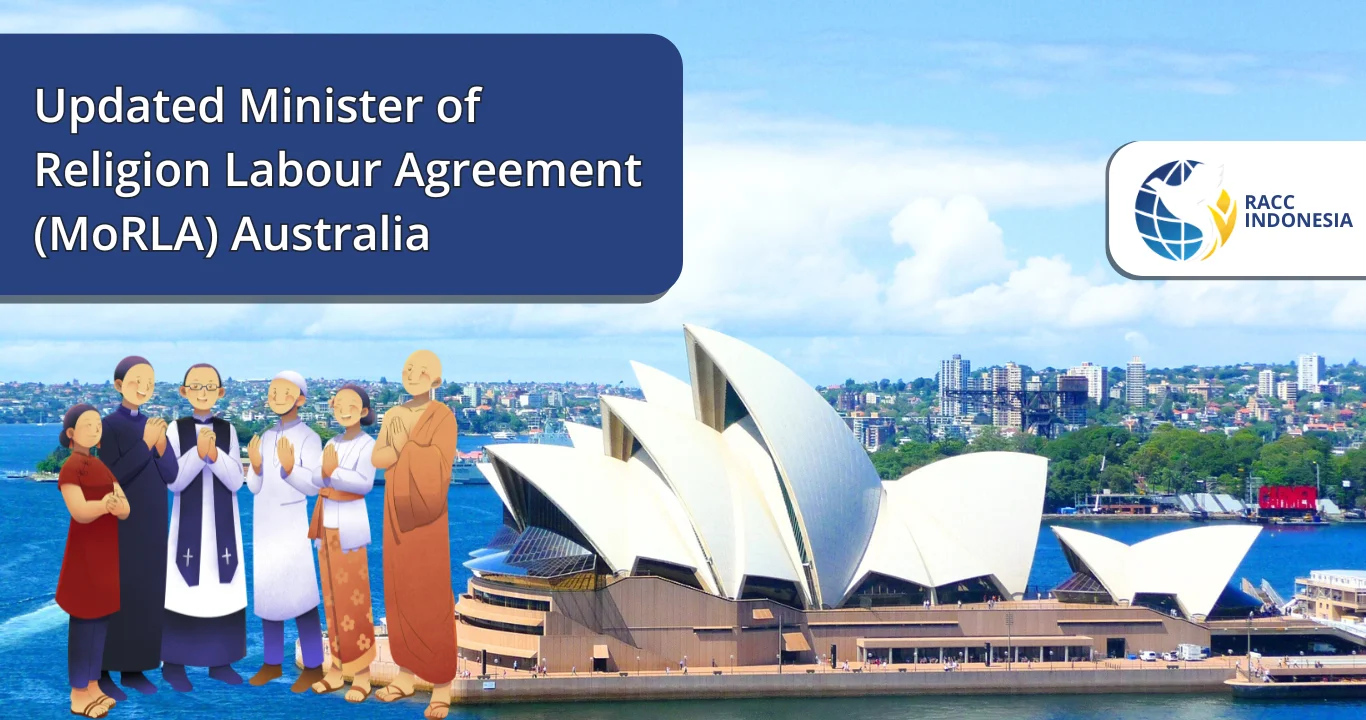
The updated Minister of Religion Labour Agreement (MoRLA), effective from 13 December 2024, aims to enhance the ability of religious institutions in Australia to access skilled workers from overseas. This agreement is designed to support organizations that focus on religious education, charitable activities, and the promotion of faith within their communities.
One of the primary objectives of the new MoRLA is to ensure strong worker protection while providing a clear pathway to permanent residency for eligible overseas workers. By streamlining the application process and revising existing requirements, the MoRLA seeks to address the unique needs of religious organizations, allowing them to attract and retain skilled personnel who can contribute to their missions and activities.
The changes introduced in the MoRLA reflect a commitment to fostering a diverse and inclusive environment within Australia’s religious sector, recognizing the importance of various faiths and practices in the country’s cultural landscape. This updated framework not only facilitates the recruitment of skilled workers but also reinforces the role of religious institutions in the broader community.
Key Features and Changes
The updated MoRLA introduces several key features and changes aimed at simplifying the process for religious institutions seeking to employ skilled overseas workers. One of the most significant updates is the streamlined application process, which allows organizations to navigate the requirements more efficiently. This includes a more straightforward online application form, expected to be fully operational in early 2025.
Additionally, the new MoRLA enhances visa pathways specifically tailored for organizations with a religious focus. This means that institutions involved in education, charitable work, and the promotion of their faiths will have improved access to skilled workers, enabling them to fulfill their missions more effectively.
The revised settings also encompass adjustments to salary requirements, qualifications, work experience, and English language proficiency. These changes are designed to reflect the diverse religious practices and beliefs present in Australia, ensuring that the MoRLA is inclusive and adaptable to various organizational needs. By addressing these areas, the updated agreement aims to create a more supportive environment for religious institutions while maintaining high standards for worker protection and integration.
Requirements for Religious Institutions
To qualify under the updated MoRLA, religious institutions must meet specific criteria that establish their legitimacy and operational integrity. Firstly, organizations must be registered in Australia as religious institutions and provide evidence of their charitable status. This requirement ensures that the institutions are recognized entities that contribute positively to the community.
In addition to standard registration, organizations must demonstrate good standing, which includes providing specific information regarding any involvement in royal commissions. This is particularly important for addressing potential child protection issues, as the MoRLA emphasizes the need for safeguarding vulnerable populations within religious settings. By requiring transparency in these matters, the agreement aims to mitigate risks and uphold the integrity of religious institutions.
Furthermore, while the MoRLA exempts these organizations from traditional labor market testing, they must still justify why the position cannot be filled by an Australian worker. This requirement underscores the importance of ensuring that overseas workers are only employed when there is a genuine need for their specific skills and expertise, thereby promoting fair employment practices within the sector. Overall, these requirements are designed to ensure that religious institutions operate responsibly and ethically while accessing the skilled workforce they need.
Occupation and Skills Requirements
The updated MoRLA specifies two primary occupations eligible for skilled worker visas: Minister of Religion and Religious Assistant. Each role has distinct qualifications and experience requirements to ensure that candidates possess the necessary skills and training to fulfill their responsibilities effectively.
For the Minister of Religion (ANZSCO 272211), nominees must meet several criteria:
- They must be ordained or have professed a religious life, which can be verified through an equivalent accreditation process within their faith.
- Candidates are required to hold qualifications equivalent to a relevant Australian Qualification Framework (AQF) bachelor’s degree or have completed at least five years of structured training or instruction in their religious practice.
- If the nominee cannot meet the ordination or educational requirements, they must demonstrate at least five years of relevant work experience in the nominated occupation.
- Additionally, for those seeking to take on senior roles, such as an Archbishop or equivalent, there may be additional skills requirements to ensure they are adequately prepared for leadership positions within their religious community.
For Religious Assistants (ANZSCO 451816), the requirements are slightly different:
- Nominees must possess qualifications equivalent to an AQF Certificate II or III, which corresponds to skill level 4.
- Alternatively, they can qualify by having at least two years of relevant structured training or instruction, or by demonstrating two years of relevant work experience in the nominated role.
Both categories of nominees must also meet specific English language proficiency requirements. This includes achieving standard scores on recognized tests such as IELTS or demonstrating completion of at least five years of full-time study in an English-speaking educational institution. However, there is an exemption for overseas workers who will be working in cloistered or monastic environments, recognizing the unique nature of their roles. These detailed requirements ensure that religious institutions can employ individuals who are not only skilled but also aligned with the values and practices of their faith communities.
Pathways to Permanent Residency
The updated MoRLA provides clear pathways to permanent residency for eligible overseas workers, particularly through the Employer Nomination Scheme (ENS) visa. This pathway is crucial for religious institutions looking to retain skilled workers long-term, ensuring stability and continuity in their operations.
Eligible workers can apply for the ENS visa after completing a minimum of two years of employment with their sponsoring religious organization. This requirement allows institutions to assess the worker’s contributions and integration into the community before granting permanent residency. For those in senior roles, such as Ministers of Religion, there are additional conditions: nominees must have been ordained for at least five years and, where applicable, hold a postgraduate degree or equivalent formal training.
Importantly, there are no age restrictions for applicants under the Skills in Demand (SID) visa category, which broadens the pool of potential candidates. However, for those applying for the ENS visa, nominees must be no more than 60 years old at the time of lodging their application. This age limit is designed to ensure that applicants are likely to contribute to the workforce for a significant period after obtaining residency.
Additionally, it is essential to note that the Department of Home Affairs will not consider a MoRLA application if there are any pending immigration matters for the nominee. This stipulation emphasizes the importance of maintaining a clear and compliant immigration status throughout the application process. Overall, the pathways to permanent residency outlined in the updated MoRLA reflect a commitment to supporting religious institutions while ensuring that the employment of overseas workers aligns with Australia’s immigration policies and labor market needs.